

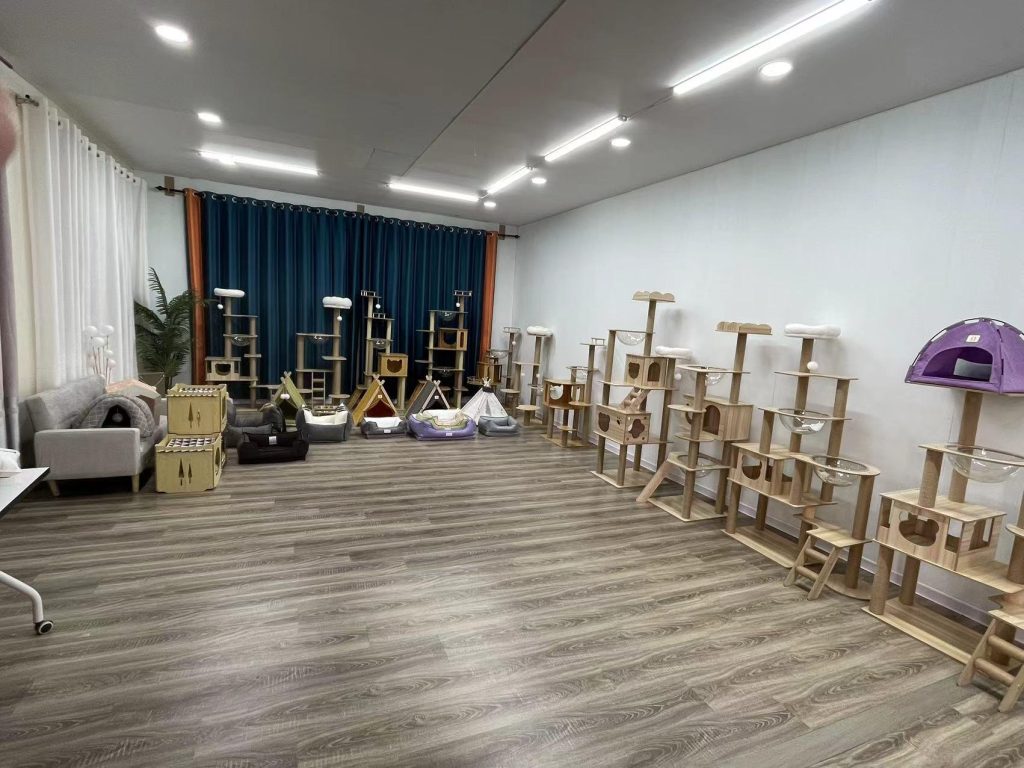
Many distributors are easily drawn to low-cost cat trees when sourcing products, assuming they offer better profit margins. However, low prices often come with hidden quality issues. These lead to high return rates, negative reviews, customer complaints, and even compliance risks, which eat into your profits and harm your store reputation. Below we have sorted out the most frequent quality pitfalls in foreign trade wholesale, helping you avoid risks during sourcing.
1. Deceptive Scratching Post Material: Synthetic Fiber Posing as Natural Sisal
This is the most common trick. Low-cost items look like sisal, but they are actually made of synthetic chemical fiber rope or low-grade cotton rope.
Synthetic fibers feel soft and wear out quickly. After a few scratches by cats, they pill, shed and fray. Some chemical fibers may catch the claws of long-haired cats and produce lots of dust. Buyers will complain that the scratching posts are not durable after short use, pushing return rates sharply higher. Natural sisal is wear-resistant with a rough texture ideal for claw sharpening, and it is the preferred material recognized by overseas consumers. Always verify the material of samples before bulk purchasing.
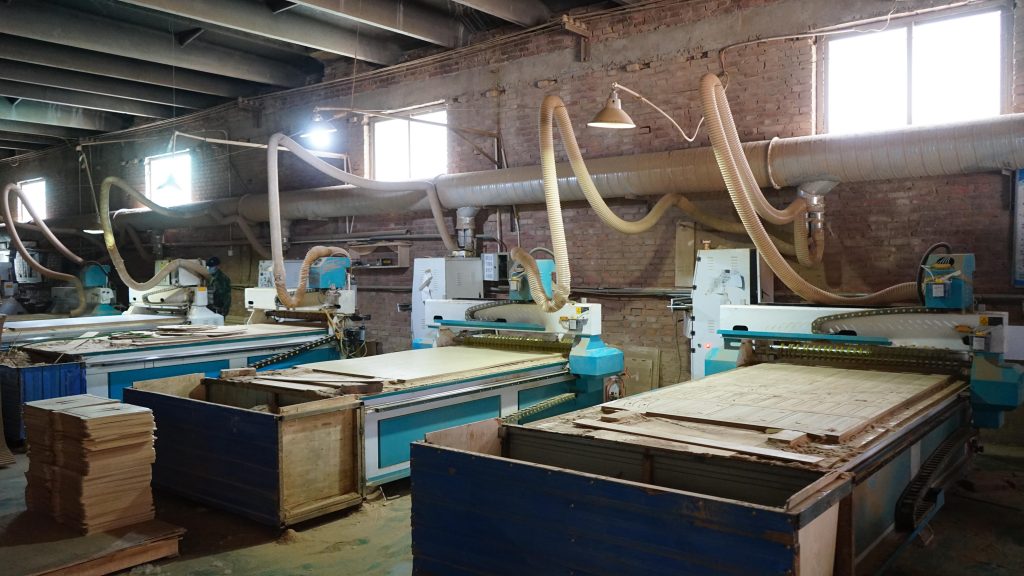
2. Thin, Inferior Base Panels, Prone to Deformation and Strong Odors
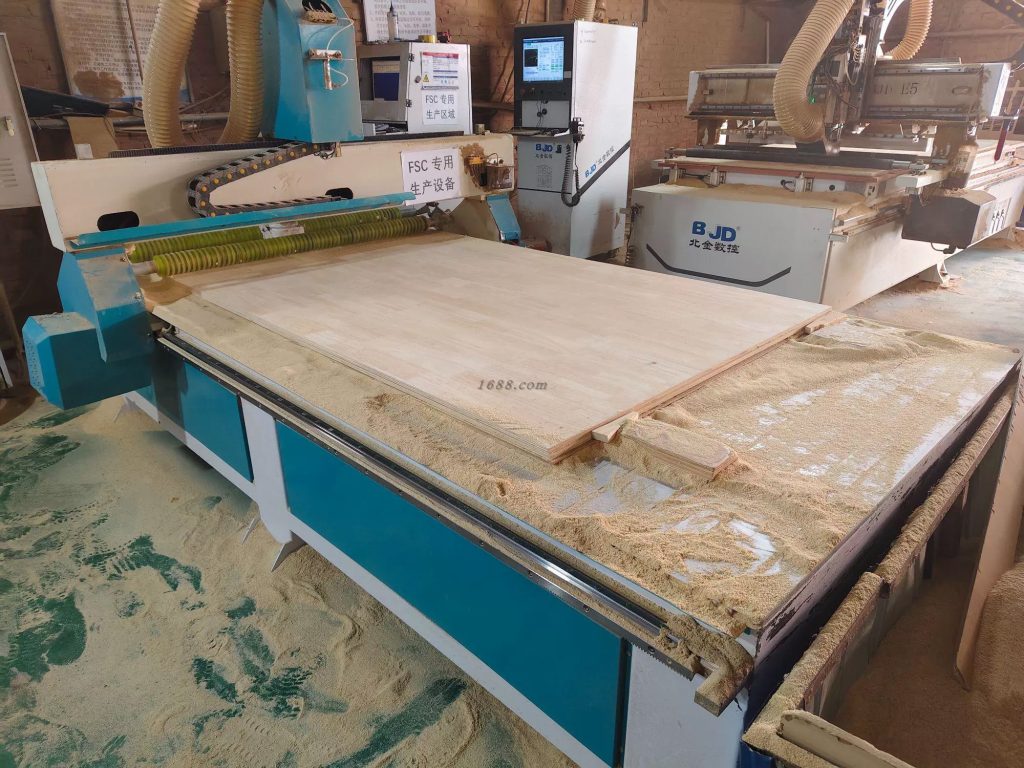
Low-cost products use recycled particle board and poor-quality MDF with reduced thickness and low-grade adhesive.
They are lightweight with poor load-bearing capacity. In humid conditions during sea shipping or in overseas homes, the boards easily swell, bulge and deform. The glue may contain excessive formaldehyde and VOCs, failing to meet EU and US environmental standards such as CARB P2. This triggers customer complaints and may result in customs inspection or product delisting. Premium options usually adopt E0 eco-friendly boards or multi-layer solid wood boards with low odor and better stability.
3. Shoddy Structural Design, Unstable Center of Gravity and Tipping Hazards
Smaller base plates, thinner boards and simplified connecting parts create a top-heavy structure. The cat tree can shake or even tip over when cats jump or multiple cats play together, creating safety risks.
Safety complaints of this type are serious. Once negative reviews appear on Amazon or independent websites, product ranking will drop rapidly. Do not judge only by product photos. During sample testing, perform load-bearing and shake tests, and check the base size, screws and fasteners for sturdiness.
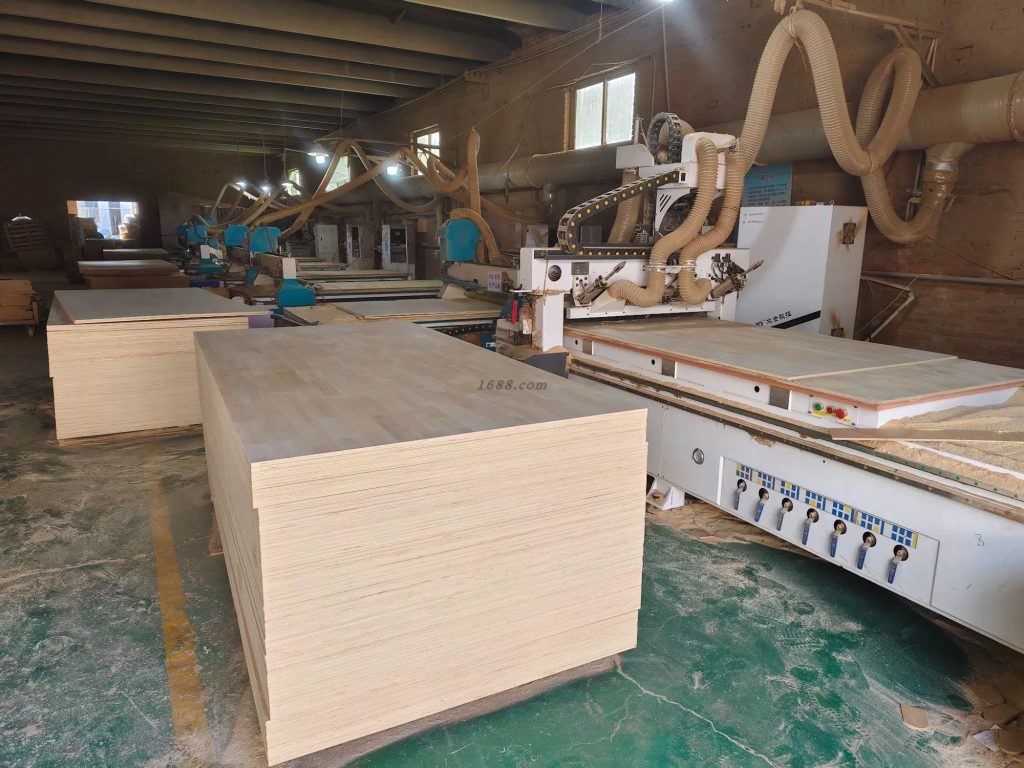
4. Low-Grade Fabric and Filling: Shedding, Pilling and Easy Tearing
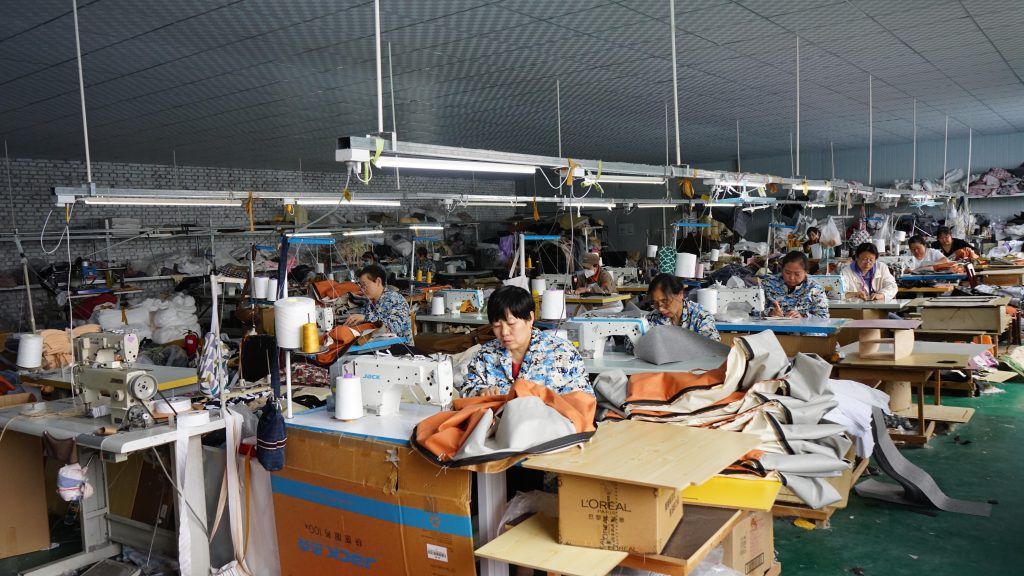
Cheap short-pile plush fabric is used for cushions and platforms with loose stitching. Heavy shedding and pilling happen easily after friction during transit. The filling is recycled scrap cotton, which clumps and flattens quickly. Cat beds collapse after a short time, so cats refuse to rest inside.
Overseas buyers care a lot about household cleanliness, and heavy fabric shedding is a top reason for returns.
5. Defective Fittings & Poor Assembly Design, Higher After-sales Costs
Low-cost cat trees are often equipped with cheap screws and thin plastic gaskets. Screws strip easily and rust. Instruction diagrams are unclear, and holes are misaligned, making assembly difficult.
Customers may apply for returns directly after struggling to put the product together. Many distributors overlook assembly experience. Although the unit cost is lower at first, subsequent after-sales tickets, communication costs and return shipping fees will end up costing more.
6. Poor Packaging, High Damage Rate During Shipment
To cut costs, only thin cartons are used without corner protectors or EPE foam reinforcement. After bumps during sea freight and last-mile delivery, boards chip, posts get crushed and fabric tears.
It is complicated to divide responsibilities for damaged cross-border orders, and reshipments or refunds will squeeze your profit.
Final Note
A low price does not equal a good business. While the unit price looks attractive with decent gross profit in the short term, high returns, bad reviews and safety & compliance issues will continuously hurt your store and brand in the long run.
When sourcing cat trees, test samples first: check materials, load capacity, environmental test reports, assembly smoothness and packaging solutions. Mitigating quality risks in advance is the key to stable wholesale and long-term B2B business.
发表回复