

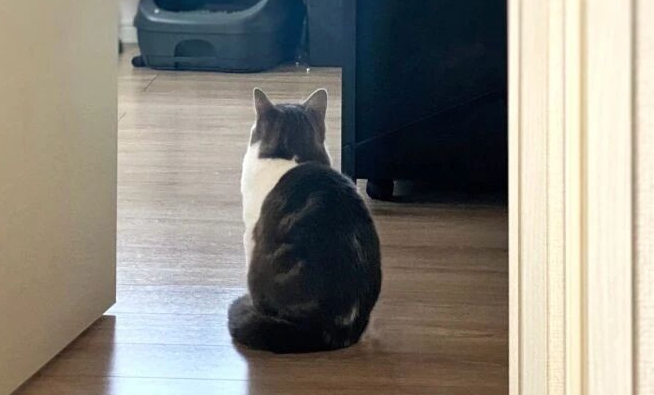
Its innate schedule makes nighttime its active hour
Cats are naturally crepuscular animals, most energetic at dawn and dusk. Their wild ancestors hunted during these times. Even as domestic house cats, this hardwired routine remains.
While you’re at work, your kitten stays home alone and sleeps most of the day to recharge. Once night falls and you’re ready for bed, it is fully rested and bursting with energy to play, explore and run around.
When you close the bedroom door and separate it from you, it cannot reach its favorite human. It scratches the door or meows softly to wake you up, hoping you will come out and play. It does not understand humans need uninterrupted sleep. It only knows it’s awake and wants its beloved companion nearby.
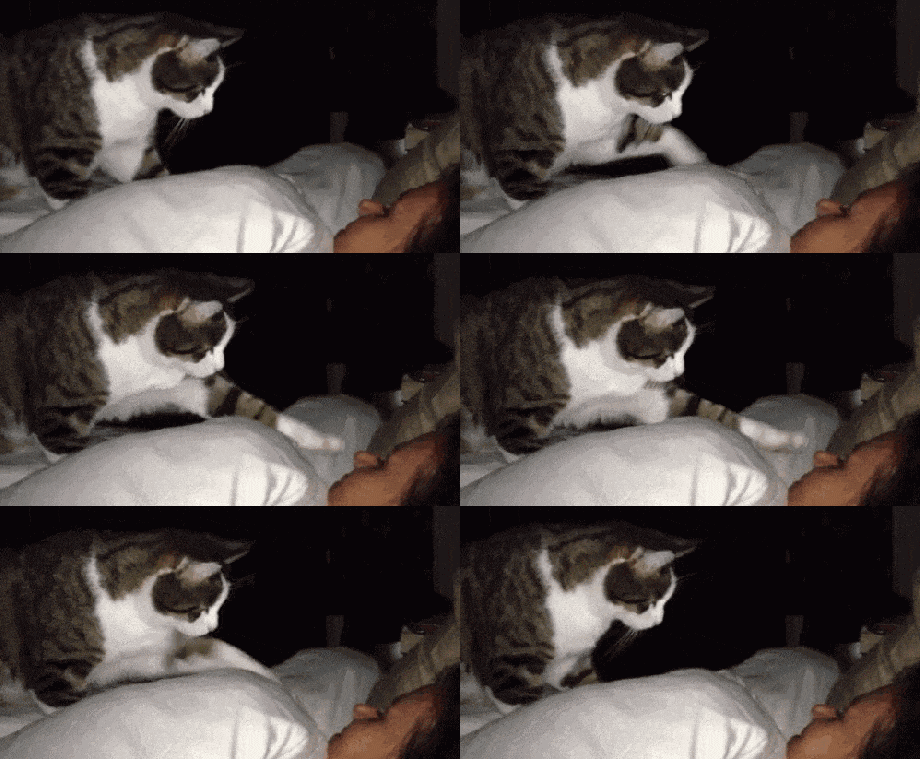
That door cuts off its sense of security and company
Besides excess energy, many kittens scratch doors out of separation anxiety. To your cat, the whole house is one territory. A closed bedroom door breaks its connection to you.
Clingy, shy or sensitive kittens feel this more intensely. When they can no longer see or hear you, they fear being left alone. Scratching the door isn’t always about getting inside your bed. Mostly, it wants to confirm you are still there behind the door.
If you open the door and comfort it every time it scratches, your cat quickly learns: scratching = human comes. This behavior gets reinforced, and it will repeat the habit every night.
Many owners shout or tap the door to stop it. But your cat cannot tell you are angry. It only notices there is noise after scratching, which encourages it to keep pawing the door.
Find the root cause and gently fix nighttime door-scratching
Changing this habit takes patience; you need to work with your cat’s natural instincts.
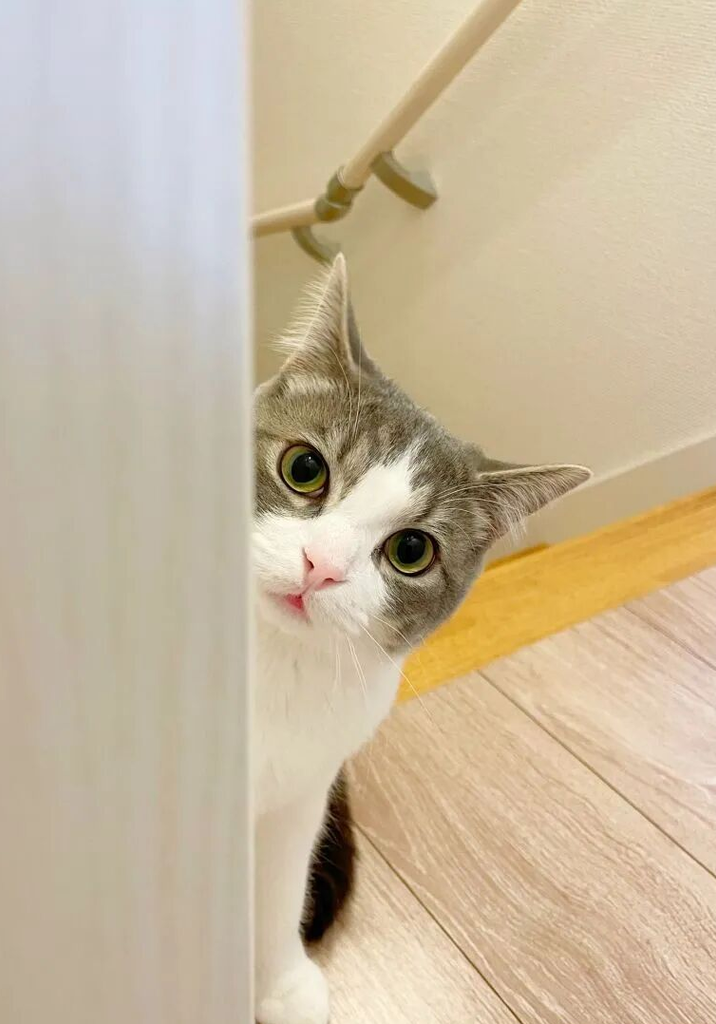
The key is burning off its stored energy. Spend quality playtime with your kitten 1–2 hours before bedtime. Use a wand toy to mimic hunting, let it run, pounce and bite until it pants, grooms itself and gets sleepy. Then serve a full meal. This replicates the wild cycle: hunt → eat → sleep. Tired and full, your cat is far more likely to rest quietly overnight.
Prevent your cat from sleeping nonstop all day. Interact with it frequently during daytime to break long naps and gradually shift its schedule to match yours.
When you close the door at night, do NOT open it immediately when it scratches. Giving in rewards the unwanted behavior.
Set up a cozy space outside your bedroom: its familiar cat bed, an old shirt with your scent, fresh water, food and litter box. A dim nightlight and soft white noise can ease its stress when alone.
Zero response while it scratches or meows: no scolding, no opening the door. Wait until it is completely quiet before opening the door for interaction.
Avoid letting it in then chasing it out in the middle of the night; this confuses your cat.
Choose a solution that fits your lifestyle. If possible, slowly train your kitten to sleep in its own bed inside your bedroom. If you prefer to keep it out, stick to consistent rules. Everyone in the household must follow the same rule — no one sneaks to open the door while others discipline it.
发表回复